










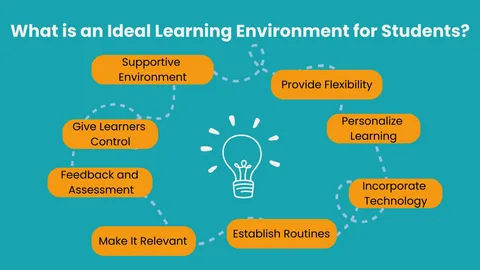
Learning environments have a significant impact on student success and engagement. Physical spaces, teaching methods, and social dynamics all contribute to how effectively students learn and develop skills.
Supportive environments encourage curiosity and participation. When students feel safe and valued, they are more likely to ask questions and take intellectual risks. This leads to deeper understanding and confidence.
Modern learning environments increasingly incorporate technology and collaboration. Flexible spaces and digital tools support different learning styles and promote interaction. These elements enhance accessibility and inclusivity.
Teachers play a key role in shaping learning environments through structure, feedback, and expectations. Clear guidance and positive reinforcement support academic growth.
By designing effective learning environments, educators create conditions that support long-term success and personal development.